




Author
Subscribe to our newsletter
What do the 2026 PEPO amendments require?
Only about two dozen U.S. facilities fall under EPA's Polyether Polyols Production (PEPO) air toxics rule, but the operational implications are substantial.
EPA's March 2026 final amendments introduce ethylene oxide-specific requirements across process vents, storage vessels, equipment leaks, heat exchangers, and wastewater. For affected facilities, understanding where emissions originate and how they change during operations can help guide investment and corrective action.
Real-time emissions measurement with CIMS and PTR-TOF-MS
RJ Lee Group can help bring those emissions into focus.
Our real-time CIMS (AIM-TOF-MS) and PTR-TOF-MS capabilities support mobile, stationary, and appropriately configured process and stack investigations. We tailor reagent chemistry, calibration, and sampling to the target compounds and facility conditions.
How real-time data supports PEPO facilities
Applications include:
-
-
Locating emission hotspots and investigating potential sources
-
Capturing brief releases associated with batch operations, transfers, and process changes
-
Comparing emissions before and after control-system adjustments
-
Connecting chemical measurements with wind and operating data
-
Developing measurement strategies for ethylene oxide, propylene oxide, toluene, and other process-specific VOCs
-
How is ethylene oxide measured in real time?
Ethylene oxide deserves particular attention. Selective real-time EtO measurement requires specialized ion chemistry and interference checks, especially where acetaldehyde is present. RJ Lee Group can help define and validate the appropriate measurement approach.
The value of voluntary fenceline monitoring
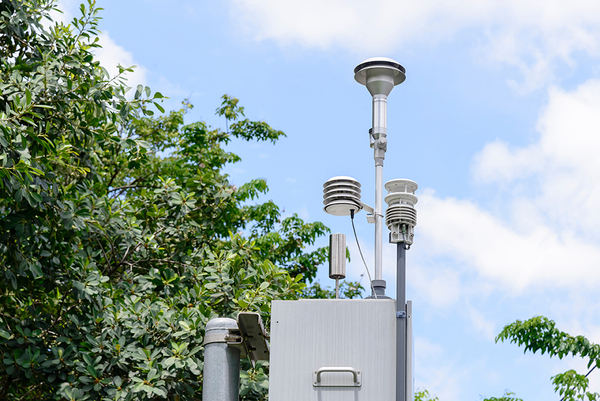
Although EPA did not finalize the proposed PEPO fenceline monitoring requirement, voluntary monitoring can provide valuable information for emissions management and community questions. These investigations complement required compliance testing; regulatory demonstrations must follow applicable methods and approvals.
Talk with RJ Lee Group about next steps
While the number of PEPO facilities across the United States may be small, the implications of these regulatory decisions are far-reaching. At RJ Lee Group, we continue tracking EPA developments and welcome conversations with clients about their concerns, operational challenges, and next steps.
Related reading: 2027 HON Fenceline Compliance is Here - Are You Ready?